Livin That Volleyball Mom Life Review
As a designer who spends half my life in digitizing software and the other half debugging stitch paths, I don’t just buy designs; I stress-test them. When I first pulled up Livin That Volleyball Mom Life, my initial thought wasn't about the trendiness of the phrase, but rather the structural integrity of the layout. We are all familiar with the "sports mom" aesthetic—it’s ubiquitous at local gyms, on social media feeds, and in craft store windows. The challenge for any designer is taking a cliché theme and making it feel fresh enough to sell, yet familiar enough to resonate immediately.
This particular digital download sits squarely in the Crafts and Graphics category, which usually signals an SVG cut file intended for vinyl or paper crafts. However, many modern creators repurpose these vector shapes for machine embroidery by tracing or converting them. My review focuses on how this design translates from a flat graphic into a tangible, stitched reality. If you are an Etsy seller, a small shop product creator, or simply a maker looking to expand your repertoire, here is my practical breakdown of using Livin That Volleyball Mom Life for real-world projects.
First Impressions: Mood and Visual Personality
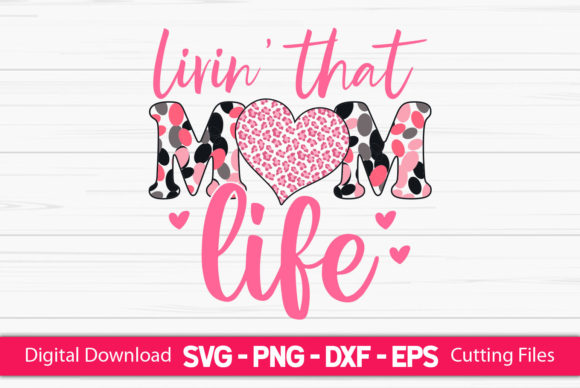
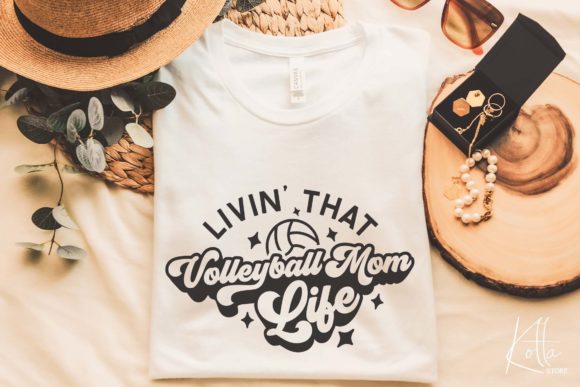
The immediate visual pull of Livin That Volleyball Mom Life is its balance between sentiment and sport. It doesn’t scream aggression or intense competition; instead, it whispers support, pride, and community. For a designer, this is crucial. You want a design that makes the wearer feel good, not just loud. The typography appears to be the hero here, likely utilizing a casual, handwritten, or bold sans-serif font that mimics the energy of a pep rally.
In terms of layout, the design likely groups text with a central icon—perhaps a volleyball, a whistle, or a heart. From a digitizing perspective, this clustering is smart. It allows for efficient hooping and reduces thread changes if you plan to keep it monochromatic or duotone. The visual personality feels approachable, which means it fits perfectly into the "cozy sporty" vibe that dominates current apparel trends. It’s not trying to be high fashion; it’s trying to be relatable. And in the world of handmade gifts, relatability sells.
Real-World Application: Where This Design Shines
I’ve been thinking about where Livin That Volleyball Mom Life would actually live on a finished product. It’s versatile, but some applications will highlight its strengths better than others. Let’s look at a few scenarios.
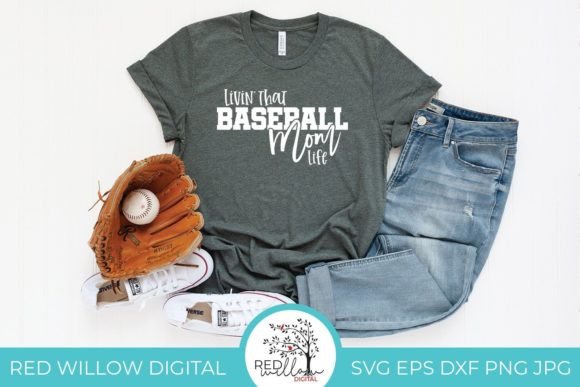
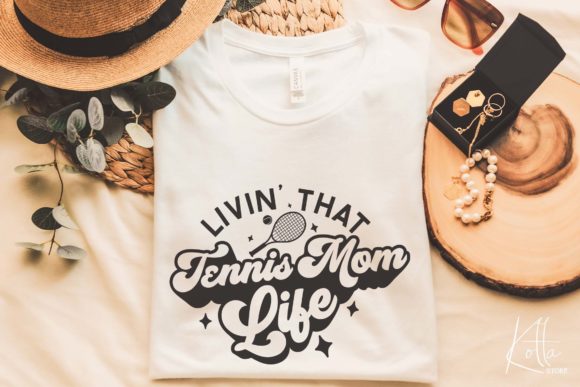
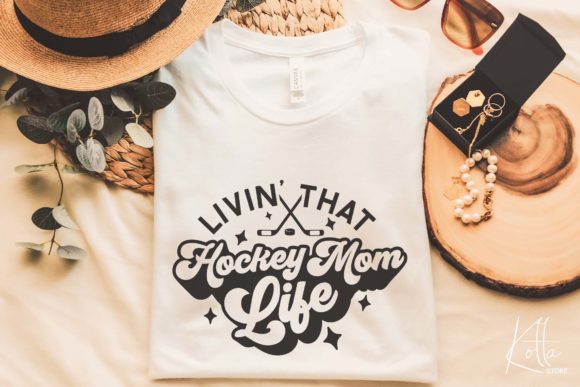
- Custom Apparel and Sweatshirt Embroidery: This is the bread and butter of sports-themed merch. Imagine this design centered on the chest of a heather grey crewneck sweatshirt. The contrast of dark thread on light fabric (or vice versa) creates instant visibility. Because the design is text-heavy, it works exceptionally well as a statement piece. It pairs naturally with custom apparel meant for game days or team gatherings.
- Tote Bag Design: A canvas tote bag embroidered with this phrase is a staple for any craft business. Parents use these bags for gear, snacks, and spare shoes. Placing the design on the front panel offers a large, flat surface area that allows for generous sizing. If you convert this to an applique design using colored fabrics, it adds a tactile element that pure stitching might lack, increasing the perceived value of the item.
- Baby Embroidery and Nursery Decor: Don’t overlook the next generation. A smaller version of Livin That Volleyball Mom Life on a baby onesie or a burp cloth is a popular gift for expectant parents or new moms who play or coach. The softness of the garment requires careful stabilizer choice, but the emotional payoff is high. It also works beautifully on pillow covers for a nursery, bridging the gap between nursery decor and family pride.
- Embroidered Patch and Caps: For the embroidered patch market, this design can be digitized as a standalone badge. Sewn onto a baseball cap or a denim jacket, it serves as a badge of honor. The curved surface of a cap presents a challenge, so ensuring the lettering isn’t too tall is key. If the text wraps too much, it becomes hard to read. Test this aspect carefully before mass production.
Technical Considerations and Potential Pitfalls
Not every design is created equal, and even a simple text-based graphic like this requires technical diligence. Here is where designers need to pay attention when adapting Livin That Volleyball Mom Life for their machines.
Hoop Size and Stitch Density: Always check the recommended hoop size for the final output. If the design is overly dense, it can pucker lightweight fabrics like thin cotton tees or polyester blends used in athletic wear. High stitch density is great for durability but can make a garment stiff. For a handmade product meant to be worn comfortably, aim for a balanced density that holds its shape without feeling like cardboard.
Fabric Texture and Stability: The type of fabric matters immensely. On a smooth, tightly woven cotton twill (common for caps and jackets), the stitches will lay flat and crisp. However, on a textured fabric like a heavy fleece or a loose-weave linen, the detail may get lost. In such cases, consider using a heavier stabilizer or backing material to prevent distortion. Also, be wary of stretchy fabrics; without proper tear-away or cut-away stabilization, the letters may warp over time.
Thread Color Contrast: This cannot be overstated. Before committing to a full run, test your thread colors against your fabric. A common mistake is choosing threads that are too close in tone to the background, resulting in a muddy, unreadable design. Use black and white mockups to verify contrast levels. If the design includes multiple colors, ensure there is enough separation between them to avoid bleeding, especially if you are using lower-quality threads.
Commercial Viability and Customer Trust
For those of us selling these items, the quality of the design directly impacts customer trust. A sloppy digitization job—where loops are uneven, or text is misaligned—signals amateurism. Conversely, a clean, well-executed Livin That Volleyball Mom Life project suggests professionalism. It tells the buyer that you care about the details.
When listing this on platforms like Etsy, high-quality printable mockup images are essential. Show the design on different backgrounds: a bright gym floor, a cozy living room, or a busy parking lot. These contexts help buyers visualize the finished product in their own lives. Additionally, clearly stating whether the purchase includes commercial rights for the digital embroidery file is critical. Since the source is an SVG cut file, ensure you have the legal right to convert and sell the embroidered version. Never assume licensing terms; always verify them to protect your craft business.
Practical Designer Notes for Success
- Test on Scrap Fabric: Never run a new design on your final product without a test run. Check for tension issues, thread breaks, and alignment errors.
- Inspect Small Details: Zoom in on the digitized file. Are the serifs sharp? Is the kerning consistent? Small imperfections become glaringly obvious in close-up photos.
- Compare Light and Dark Backgrounds: A design that looks great on white might disappear on navy blue. Create variations or choose neutral thread colors that work across a spectrum.
- Use Proper Stabilizer: Match the stabilizer to the fabric weight. Heavy stabilizers for heavy fabrics, light stabilizers for delicate materials.
- Confirm Licensing: Double-check the terms of use for the original SVG. Does it allow for physical sales? Digital resale? Personal use only?
In conclusion, Livin That Volleyball Mom Life is a solid foundation for a variety of embroidery projects. It taps into a strong emotional niche—the supportive parent—and offers a flexible canvas for creative interpretation. By paying attention to technical details like hoop size, thread contrast, and fabric choice, you can transform this simple graphic into a premium personalized gift or a best-selling small shop product. It’s not just about stitching letters; it’s about creating something that resonates with the people who wear it. And in the end, that’s what makes a design worth making.