Mom Daisy Embroidery Design Review
As a designer who spends more time than I care to admit staring at stitch lines and worrying about thread tension, I approach every new digital asset with a mix of curiosity and skepticism. When I first pulled up the Mom Daisy design file, my immediate reaction was one of quiet appreciation for its simplicity. In a market saturated with overly complex, cluttered machine embroidery designs that look like a technical error on the hoop, this piece stands out because it knows exactly what it is. It is not trying to be a masterpiece of photorealistic shading; it is a clean, graphic representation of a daisy, designed with the practicalities of embroidery in mind.
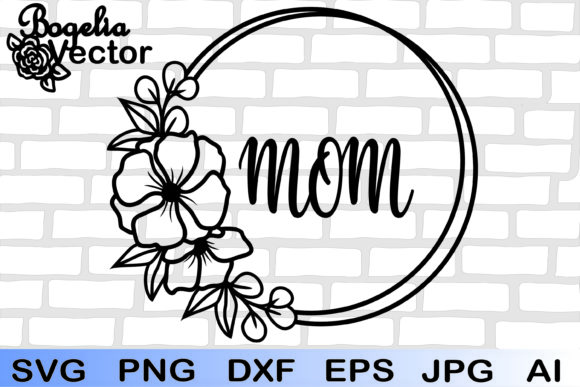
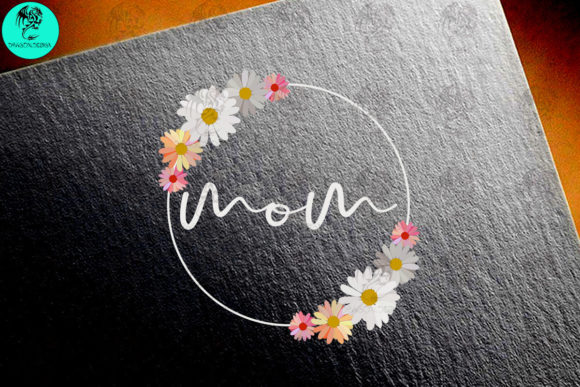
The mood of the Mom Daisy SVG is undeniably warm. It evokes feelings of spring, motherhood, gentle growth, and rustic charm. Visually, the shape feels balanced. The petals are distinct but not so thin that they will fray or break during stitching, and the center provides a solid anchor point for the eye. For those of us who create handmade products for a living, this balance between aesthetic appeal and structural integrity is everything. A design might look beautiful on a screen, but if it doesn’t translate well to thread, it fails its primary purpose. From what I can see in the vector layers, the Mom Daisy design respects the limitations of the needle.
Real-World Application: The Tote Bag Test
To truly evaluate an embroidery project, you have to imagine it on a finished product. My mental test case for the Mom Daisy design was a custom embroidered tote bag. This is a staple item for any Etsy seller or craft fair vendor. It is high-volume, low-complexity, and heavily reliant on clear branding.
I visualized placing the Mom Daisy slightly off-center on a natural canvas tote. Because the design is available as a transparent PNG and SVG, I could easily mock it up against different fabric textures. On a light beige canvas, the white or pastel thread colors would pop without overwhelming the bag’s structure. The stitch density appears moderate, which is crucial here. If the fill were too dense, the heavy canvas would pucker around the edges, ruining the drape of the bag. However, with a lighter touch, the Mom Daisy sits flat and crisp, looking professional rather than bulky.
This same logic applies to other custom apparel items. Imagine this design on a soft cotton sweatshirt for a baby shower gift. The running stitch details (if present in the outer petals) would add a lovely textural contrast to the smooth jersey knit of the shirt. It creates a tactile experience for the recipient, which is often what separates a mass-produced item from a cherished personalized gift. The design’s versatility allows it to fit seamlessly into a collection of nursery decor or boutique branding without feeling out of place.
Where to Exercise Caution
No design is perfect for every surface, and being honest about these limitations is part of responsible design advice. While the Mom Daisy file is robust, there are specific scenarios where you need to be careful.
- Small Hoop Sizes: If you are working with a very small hoop, such as 3x3 inches, pay close attention to the spacing between the petals. Ensure that the negative space is large enough to prevent the threads from merging into a blob. Always preview the design at actual size before hooping.
- Textured Fabrics: Avoid using this design on heavily textured fabrics like chunky bouclé or thick fleece. The fine details of the daisy may get lost in the weave, making the final product look muddy. Stick to smoother surfaces like denim, twill, or standard cotton blends.
- Stretchy Fabrics: When embroidering on stretchy materials like spandex blends or thin knits, you must use a proper stabilizer. Without adequate support, the fill stitch areas can distort the fabric, causing the flower to look warped. A cut-away stabilizer is usually best for maintaining the shape over time.
- Dense Stitch Areas: If your version of the design includes dense fills, test it on scrap fabric first. Excessive density can lead to needle breakage or thread snapping, especially if you are using lower-quality polyester threads.
Additionally, consider the end-use of the product. If you are creating a kitchen towel or an apron that will undergo frequent washing, ensure that the thread colors are colorfast. Lighter shades may show wear faster than darker ones, which could affect the longevity of the finished product.
Visual Appeal and Brand Value
From a branding perspective, the Mom Daisy design is a smart choice. It communicates care, nature, and femininity without being overly sentimental or cliché. For a small business owner, this translates to higher perceived value. Customers associate clean, well-executed embroidery with quality craftsmanship. When a buyer sees a neatly stitched daisy on a pillow cover or a cap, they assume the rest of the product is made with the same attention to detail.
This design also works exceptionally well for commercial embroidery projects where consistency is key. Because the shapes are simple and geometric, they digitize reliably across different machines. You don’t have to worry about weird artifacts appearing in the corners or the center of the flower. This reliability builds trust with your clients, whether they are ordering a single personalized hat or a batch of branded merchandise for a corporate event.
The inclusion of multiple formats—SVG, EPS, DXF, and PNG—adds significant utility. As a digital product seller, you can use the SVG or EPS files for cutting vinyl decals to pair with the embroidery, creating hybrid crafts that appeal to a wider audience. The transparent PNG is perfect for creating printable mockups to showcase your work on social media or your online store. These design assets allow you to present your craft business in a polished, professional manner.
Practical Designer Notes
Before you rush to hoop the fabric, here are a few practical steps to ensure success:
- Test on Scrap Fabric: Never assume a design will work perfectly on your final material. Stitch it out on a scrap piece of the same fabric type to check for puckering, tension issues, or color clashes.
- Check Thread Contrast: The Mom Daisy design relies on clear definition. Ensure your thread colors provide enough contrast against your fabric. A white daisy on a white background will disappear, while a black outline on dark navy might be too harsh depending on the desired aesthetic.
- Review Stitch Density: Look at the digitization if possible. Is the underlay sufficient? Does the fill stitch direction make sense for the petal shape? Proper density prevents the fabric from showing through the thread.
- Confirm Licensing: If you plan to sell finished items featuring the Mom Daisy design, double-check the licensing terms. Some digital files are for personal use only, while others allow commercial sale of physical goods. Respecting these terms protects your reputation and legal standing.
- Use Proper Stabilizer: Match your stabilizer to your fabric weight. Lightweight fabrics need lightweight stabilizers; heavy denim needs sturdy tear-away or cut-away options.
In conclusion, the Mom Daisy design is a versatile, well-constructed addition to any embroidery file library. It strikes a rare balance between artistic charm and technical feasibility. Whether you are making a heartfelt gift for a friend or building a line of boutique branding products, this design delivers a professional result with minimal hassle. It is a testament to the idea that sometimes, the simplest designs are the most effective. For any creative entrepreneur looking to expand their offerings with reliable, attractive graphics, the Mom Daisy is a worthy investment of your time and resources.