Mom Frame Embroidery Design Review
As a designer who spends more time than I care to admit staring at stitch density charts and testing thread tension, I approach every new embroidery file with a healthy dose of skepticism. The market is saturated with generic clipart that looks fine on a screen but falls apart under the needle. That is why I took a close look at the Mom Frame design before committing it to any client work or personal project. This isn’t just another floral decoration; it is a structured graphic asset designed for the Crafts category, specifically falling under Graphics intended for cutting and embroidery workflows. After running through several mental simulations of how this would translate from a digital vector to a stitched reality, here is my honest assessment of its potential in real-world applications.
First Impressions: Mood and Visual Personality
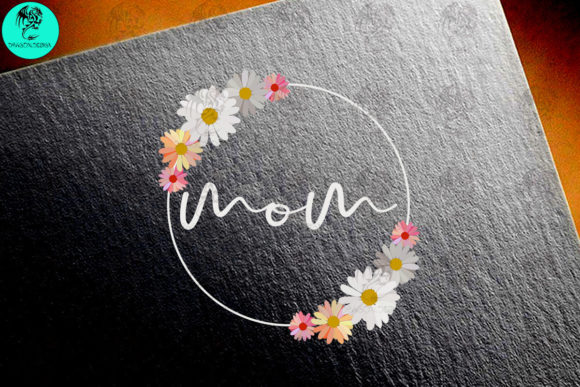
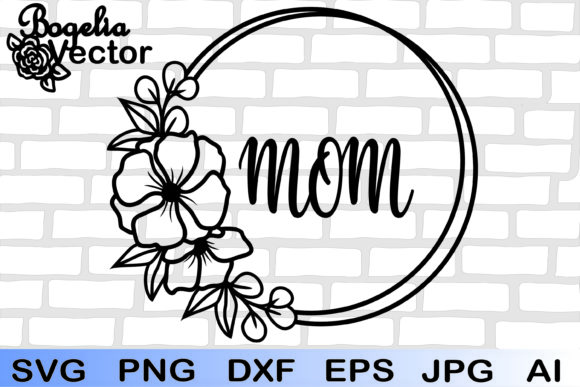
The immediate appeal of the Mom Frame lies in its balance between sentimentality and structure. Unlike loose, free-form floral designs that can feel chaotic when digitized, this piece offers a defined boundary. It creates a natural focal point, which is crucial for personalized gift items where the text or central image needs room to breathe. The theme screams "Mother’s Day" and "family," but the execution feels timeless enough to avoid looking like a fleeting trend. For an Etsy seller or a small shop product owner, this visual personality is gold because it bridges the gap between casual home decor and boutique-quality apparel.
The layout suggests a wreath-like quality, utilizing negative space effectively. In embroidery, negative space is your friend—it reduces thread usage and minimizes puckering. The design feels light, airy, and elegant, making it suitable for delicate fabrics as well as sturdy cottons. It doesn’t scream for attention; rather, it invites the viewer to look closer, which is exactly what you want in a high-end handmade product.
Real-World Application: From Screen to Stitch
Let’s talk about practical use. Imagine you are preparing a custom embroidered tote bag for a local craft fair. You have a blank canvas, and you need something that reads instantly as a thoughtful gift. Placing the Mom Frame in the center works beautifully. Because it is a frame, you can easily insert names, dates, or simple phrases inside the borders without cluttering the design. This versatility makes it an excellent choice for custom apparel and accessories.
I also see this design performing exceptionally well on baby clothes and nursery decor. The soft curves of the floral elements translate well into satin stitch applications, creating smooth, shiny lines that catch the light nicely. However, if you are planning to use this for a sweatshirt embroidery project, you might want to consider the fabric weight. Thick fleece can sometimes swallow up fine details, so testing on scrap fabric first is non-negotiable. For a tea towel or kitchen towel, however, the contrast of white thread on a textured linen blend could make this machine embroidery design pop with rustic charm.
Another strong use case is the creation of an embroidered patch. The defined border of the Mom Frame provides a natural edge for trimming or applying a backing. Whether you are selling these as pins for denim jackets or as decorative accents on bags, the structural integrity of the design ensures it holds its shape even after multiple washes.
Where to Exercise Caution
No design is perfect for every surface. There are specific scenarios where the Mom Frame might struggle if not handled with care. First, consider small hoop sizes. If you attempt to digitize or stitch this on a very small area, the intricate corners of the floral elements may become muddy. The eye cannot resolve fine detail at a micro-scale, resulting in a blobby appearance. Always check the minimum recommended hoop size provided by the creator.
Textured fabrics are another hurdle. While the design looks clean on a flat mockup, stitching over a heavy knit or a nubby weave can distort the symmetry. Similarly, thin or stretchy fabrics require a robust stabilizer solution. Without proper support, the tension of the fill stitch areas can cause the fabric to pucker, ruining the professional finish. Dark fabrics present their own challenge; if the design relies heavily on light thread colors, you may need to add a backing layer to prevent transparency. Finally, be mindful of dense stitch areas. If the design includes overlapping petals or leaves, ensure the digitizer has accounted for proper pull compensation, or the shapes may merge unintentionally.
Impact on Product Value and Brand Consistency
Using a well-designed asset like the Mom Frame directly influences customer trust. Buyers of handmade goods are often discerning; they can tell the difference between a rushed job and a thoughtfully executed piece. A clean, balanced frame suggests professionalism and attention to detail. When customers receive a finished product that looks polished, they are more likely to leave positive reviews and recommend your craft business to others.
This design also enhances brand consistency. If you specialize in maternal gifts or family-oriented merchandise, having a signature style—such as framed florals—can help establish recognition. It allows you to create cohesive collections, perhaps varying the inner text or color palette while keeping the outer frame constant. This strategy is particularly effective for commercial embroidery projects where volume and uniformity matter.
Practical Designer Notes for Success
To get the most out of this design, follow these practical steps before hitting the start button on your machine:
- Test on Scrap Fabric: Never assume a design will stitch perfectly on the final material. Run a test on a similar fabric type to check for tension issues or puckering.
- Check Thread Color Contrast: Ensure your chosen thread colors stand out against the background. Light threads on dark fabric may require a stabilizing underlay.
- Review Stitch Density: High-density areas can make a garment stiff. If you prefer a softer hand-feel, consider reducing the density or using a lighter stabilizer.
- Inspect Small Details: Zoom in on the digital preview. Are the tiny flower centers clear? Will they stitch cleanly, or do they need simplification?
- Use Proper Stabilizer: Match your stabilizer to the fabric weight. Cut-away for knits and stretchy materials; tear-away for wovens.
- Confirm Licensing: Before listing any digital product or selling finished items, verify the license terms. Some files are for personal use only, while others allow commercial sales.
In conclusion, the Mom Frame is a versatile, aesthetically pleasing addition to any embroiderer’s library. It offers the structure needed for professional results while retaining the warmth required for heartfelt gifts. By understanding its strengths and limitations, you can confidently incorporate it into your next embroidery project, whether that’s a quick personalized apron or a high-volume line of boutique t-shirts. Just remember to respect the fabric, plan your stitches, and always prioritize quality over speed.